Building with Sustainability in Mind
For Dallas building owners, sustainable design means considering energy use, everyday comfort, and the environmental cost of materials together. PDLC (Polymer Dispersed Liquid Crystal) smart glass brings these priorities into architectural and construction decisions. By incorporating switchable glazing into a building, designers can support efficient operation and comfortable interiors while working toward a smaller carbon footprint. Smart Glass Dallas examines the environmental benefits behind this approach.
Managing Building Energy Use
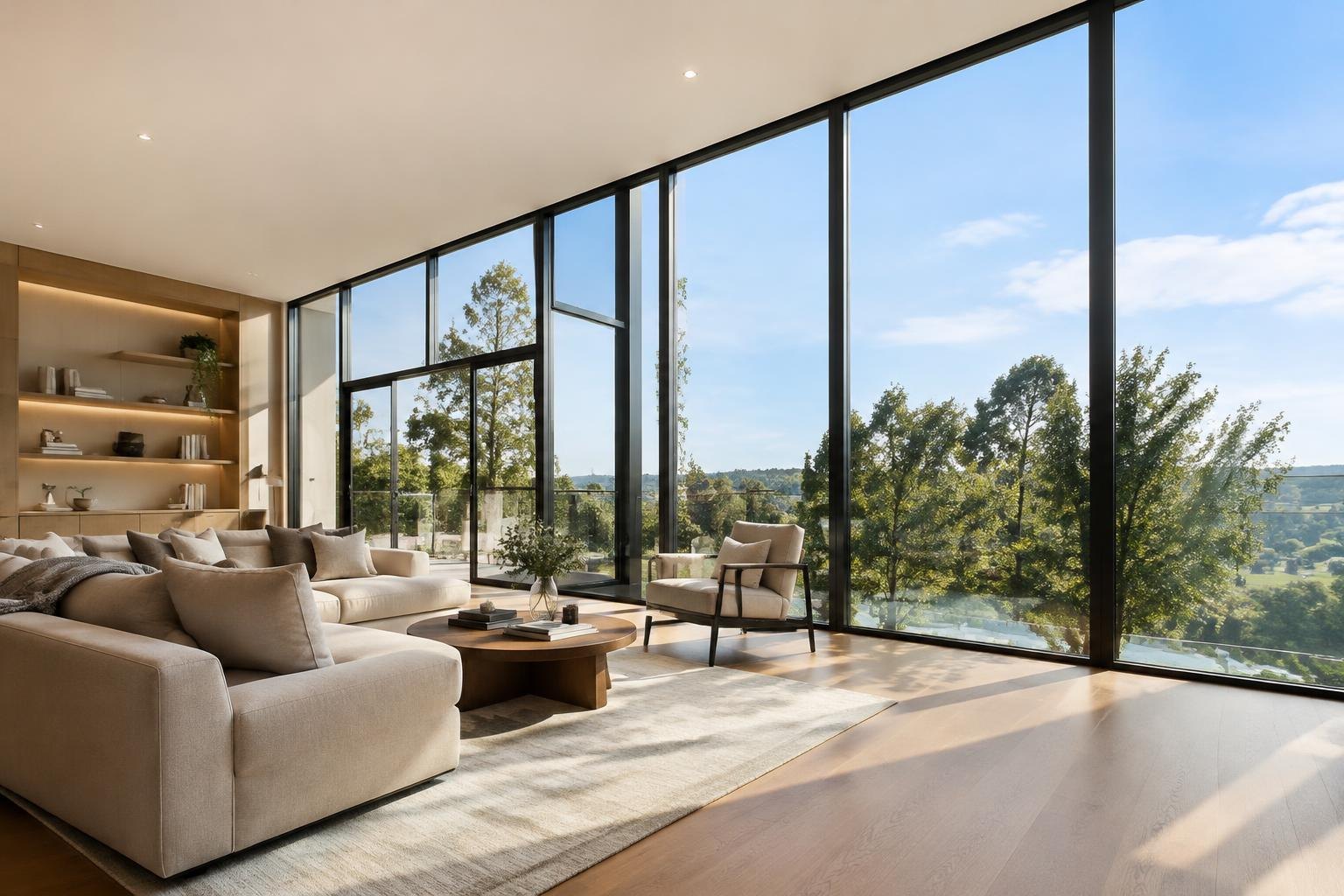
Long, hot Texas summers make solar heat through conventional windows an important cooling concern. PDLC smart glass changes from clear to opaque when operated by a switch or electrical current. In its opaque state, it blocks solar heat, helping limit air-conditioning demand and the energy needed to keep rooms comfortable. Managing incoming light and heat this way improves building efficiency and helps lower the greenhouse gas emissions associated with energy use.
Adjusting to Sunlight Throughout the Day
Rather than leaving window transparency fixed, PDLC smart glass lets occupants change it as conditions shift. That flexibility helps make better use of daylight and reduces dependence on electric lighting. Automatic responses to sunlight intensity or room occupancy can further support a comfortable interior with lower energy demand, a useful consideration for sun-exposed Dallas spaces.
Balancing Privacy with Visual Comfort
Privacy is a practical requirement in schools, workplaces, and healthcare settings, including facilities in the Dallas Medical District. PDLC smart glass changes immediately from transparent to opaque, screening views while retaining access to natural light. Along with reducing glare, this ability connects everyday comfort with more environmentally conscious interior design.
With privacy built into the glass, curtains and blinds become unnecessary, avoiding the waste tied to making and discarding those treatments. Less glare on computer screens also makes daylight more usable. Relying less on artificial lighting helps create a workspace that uses energy more efficiently.
Limiting Heat Transfer
The insulating properties of PDLC smart glass offer another route to energy savings. Improved window insulation limits heat exchange between the building interior and outdoors, reducing heating demand during cooler North Texas weather. Using less heating energy also cuts the carbon dioxide emissions associated with operating those systems.
Designing for a Longer Service Life
Durability is part of the environmental case for PDLC smart glass. Designed for lasting use, these windows outlast conventional window treatments that need recurring maintenance or replacement. Fewer replacement cycles mean less material waste and a lower environmental burden from production and disposal.
Bringing Environmental Goals Together
For construction projects in Dallas, PDLC smart glass brings privacy, daylight management, thermal insulation, and occupant comfort into the same design decision. Its potential to lower energy demand and conserve materials supports efforts to reduce greenhouse gas emissions and resource use. Taken together, these benefits make switchable glazing a practical component of more sustainable architecture, serving both the people inside a building and broader environmental goals.